
History of the Order
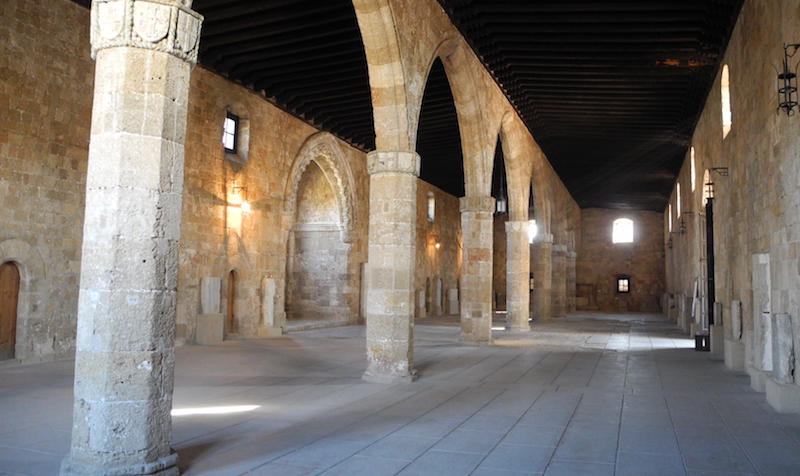
1048 Jerusalem
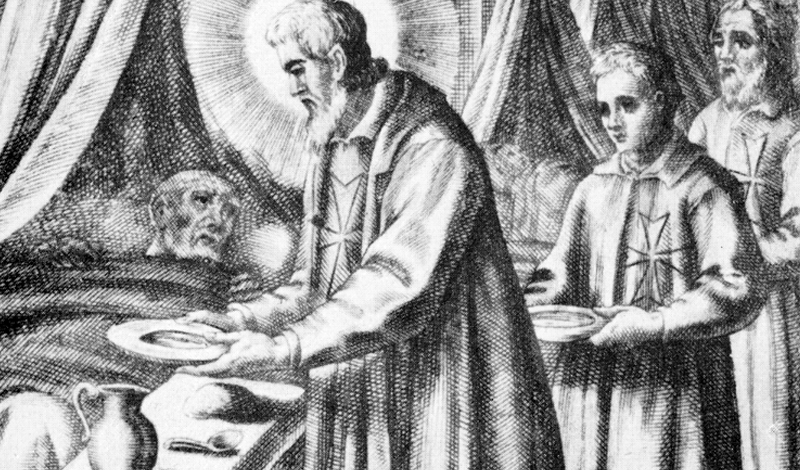
The foundation of the Order of St. John dates from about 1048. At that time merchants from the ancient maritime republic of Amalfi obtained from the Caliph of Egypt permission to build a church, a convent and a hospital in Jerusalem, where pilgrims of any race or creed would be cared for.
The Order of St. John of Jerusalem, the monastic community that ran the hospital, became independent under its founder, Blessed Gerard. Pope Paschal II approved the foundation of the hospital with a papal bull of 15 February 1113. In the same bull he placed it under the protection of the Church and granted the Order the right to elect its superior without interference from any lay or religious authority. Through the bull the hospital community became a lay religious order. Its knights were religious who had taken the three monastic vows of poverty, chastity and obedience.
After the foundation of the Kingdom of Jerusalem the Order also took on the military defence of the sick and the pilgrims and the protection of its hospitals and of the kingdom's main roads. Alongside its hospital mission it thus took on the defence of the faith and of pilgrims. In this period the Order began to use the white eight-pointed cross that remains its symbol today.
1291 Cyprus
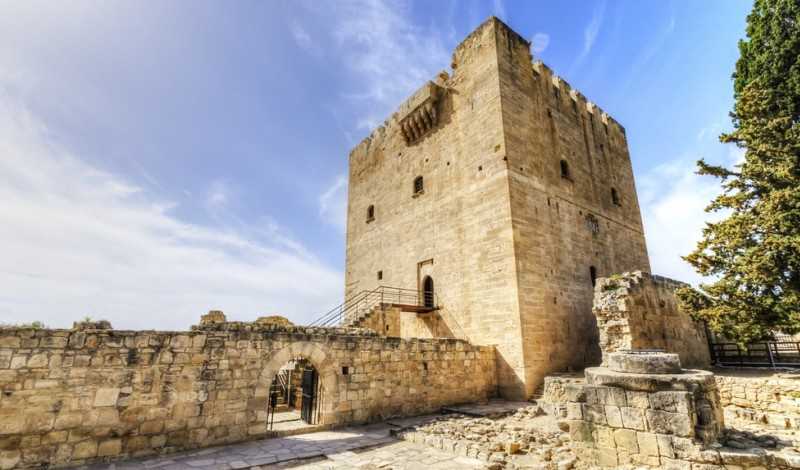
After the fall of Acre in 1291 and the loss of the Holy Land, the Order of St. John moved its seat and its hospital to Limassol on Cyprus, where it had been present since 1210 and held important property, privileges and trading rights.
Here too, faithful to its hospitaller tradition, it founded many new hospitals. Making use of the island's strategic position, it built up a large fleet that protected pilgrims sailing to the Holy Land. New knights joined in growing numbers, and the Order grew stronger. It acquired new lands and rights on Cyprus, above all along the coast; among the most important were the port of Famagusta, the city of Nicosia and many commanderies.
Growing instability on Cyprus limited the Order's expansion there, and the knights came to see Rhodes as a better base, to which they eventually moved. Lieutenants stayed on Cyprus to administer the priory and its commanderies (more than 60 in 1374) for another century, until the knights were withdrawn to the main convent on Rhodes in the mid-15th century.
1310 Rhodes
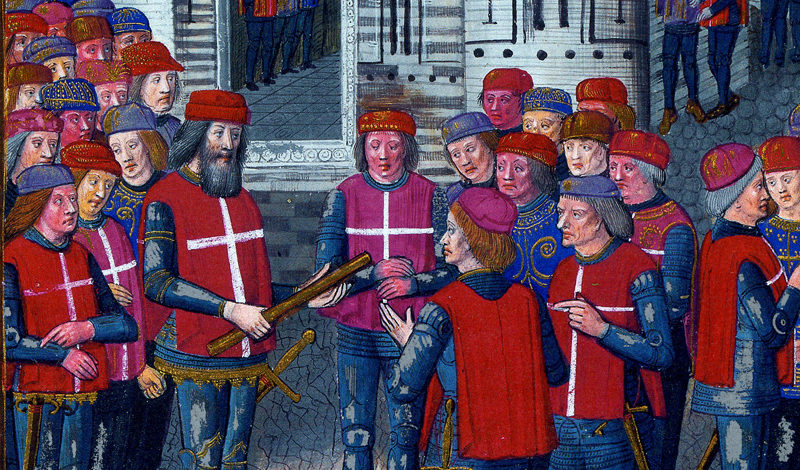
In 1307 a fleet carrying the knights of St. John under Grand Master Fra’ Foulques de Villaret landed on Rhodes. After taking full possession of the island in 1310, the knights moved their headquarters there. The island offered excellent natural harbours and held a strategic position between the Christian and the Muslim worlds. Defending Christendom required great naval strength, so the Order built a powerful fleet that sailed the eastern Mediterranean and won many famous battles.
By papal decree the Order gained independence and the right to maintain its own armed forces and to appoint ambassadors, which laid the foundations of its international sovereignty. From the early 14th century the Order's institutions and the knights who came to Rhodes were grouped by their native tongues. At first there were seven Tongues: Provence, Auvergne, France, Italy, Aragon (Navarre), England (with Scotland and Ireland) and Germany (which also included, among others, the Czech lands); an eighth, Castile and Portugal, was added later. Each Tongue had its priories or grand priories, bailiwicks and commanderies.
The Order was governed by the Grand Master (the Prince of Rhodes) with his Council. It minted its own coins and maintained diplomatic relations with other states. The high offices of the Order were given to representatives of the different Tongues, and its seat, the Convent, was made up of religious of many nations.
In 1523, after a six-month siege and hard fighting against the fleet and army of Sultan Suleiman the Magnificent, the knights were forced to surrender and left Rhodes with military honours.
1530 Malta
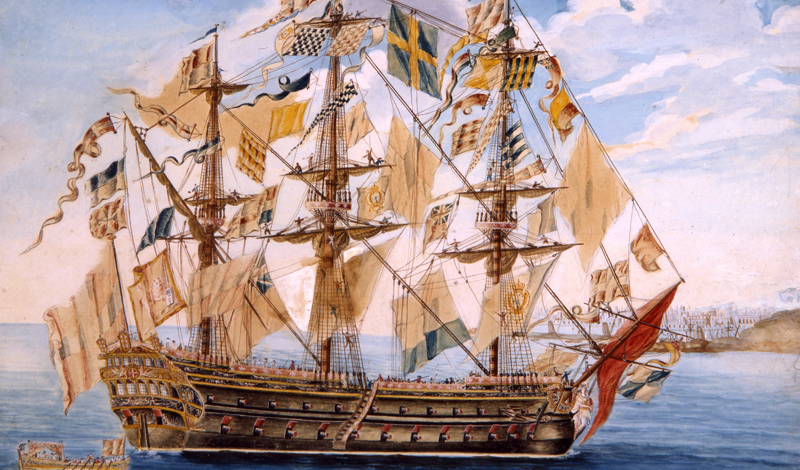
After the loss of Rhodes the Order had no territory of its own for several years. In 1530 Emperor Charles V granted it the island of Malta in fief. Once Pope Clement VII had approved the grant, a fleet carrying the knights under Grand Master Fra’ Philippe de Villiers de l’Isle Adam landed on Malta and formally took possession of the island. In return the Order undertook to remain neutral in conflicts between Christian states.
In 1565 the Ottomans laid siege to Malta. The Great Siege lasted three months; the knights, led by Grand Master Fra’ Jean de la Vallette, held out. A great period of building followed the victory. A new city and a new harbour were founded, the city named Valletta after its founder. Palaces, churches and a vast new system of fortifications were built, and patronage of the arts and architecture flourished. A great new hospital, one of the best organised and most effective of its time, was founded on the island; the Order established a school of anatomy and soon afterwards a faculty of medicine, and made notable contributions above all to ophthalmology and pharmacology. At the same time the Order kept up its military role: for centuries its fleet took part in many battles in the Mediterranean, above all against the Ottoman fleet and pirates.
1571 Battle of Lepanto
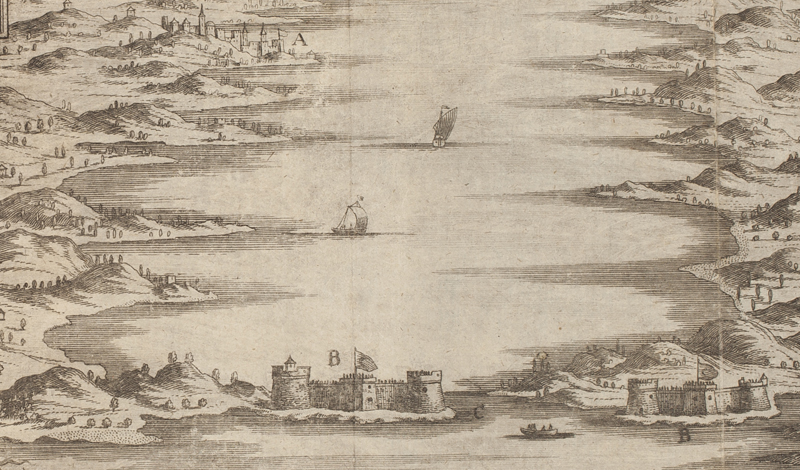
The Order's fleet took part in the naval battle of Lepanto, contributing to the victory of the united fleet of the Christian states and halting the Ottoman advance into Europe.
1798 Exile
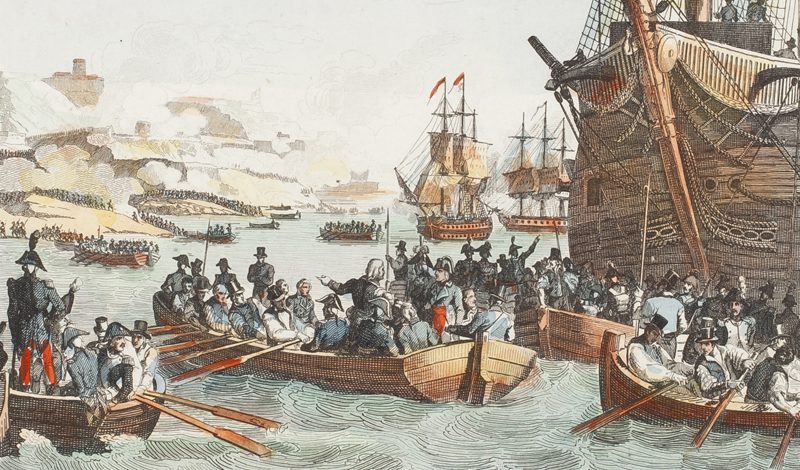
In 1798, during his Egyptian campaign, Napoleon occupied Malta because of its strategic position. Because the Order's rule forbade the knights to take up arms against other Christians, they were forced to leave the island. The Treaty of Amiens of 1802, under which the Order's rule over Malta was to be restored, was never put into effect.
1834 Rome
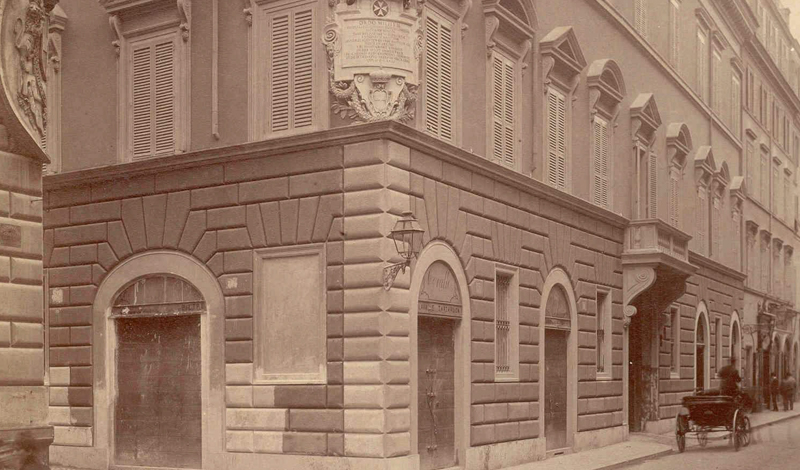
After temporary seats in Messina, Catania and Ferrara, the Order settled permanently in Rome in 1834. There it owns the Magistral Palace and, on the Aventine Hill, the Magistral Villa, both of which enjoy extraterritorial status and privileges.
The 20th and 21st centuries
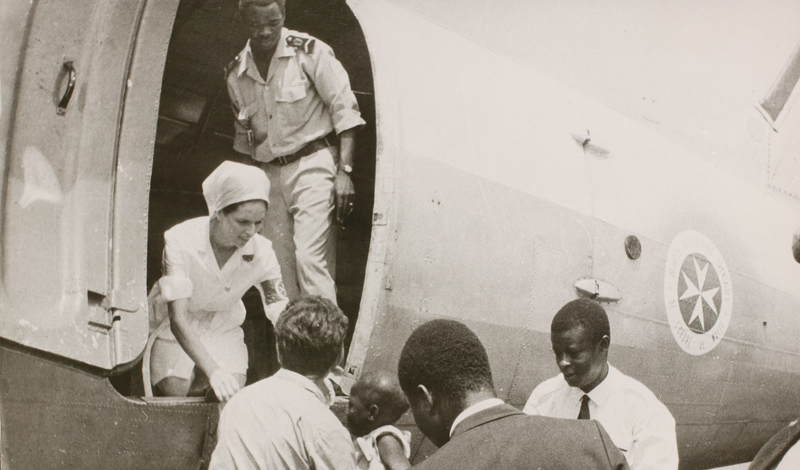
From the second half of the 19th century the Order's main mission once again became hospitaller work. Over the past century it has grown and spread around the world, above all through the efforts of the grand priories and national associations. The Order intensified its hospitaller and charitable work during the First and especially the Second World War, under Grand Master Fra’ Ludovico Chigi Albani della Rovere (1931–1951).
The expansion of the Order's work as we know it today came under Grand Masters Fra’ Angelo de Mojana di Cologna (1962–1988) and Fra’ Andrew Bertie (1988–2008). The Order's present work around the world is described on orderofmalta.int.
Watch a video on the history and work of the Order (YouTube)
- 1113: papal recognitionThe bull Pie Postulatio Voluntatis of 15 February 1113, by which Pope Paschal II recognised the Hospitallers of St. John.
- The five Orders of St. JohnThe Sovereign Order of Malta and the four Orders of St. John recognised by it, united in the Alliance of the Orders of St. John.
- The ancient TonguesHow the knights on Rhodes and Malta were grouped into Tongues, and how the national associations succeeded them.
- The names of the OrderFrom the Knights Hospitaller to the Knights of Malta: the names of the Order and its members over nine centuries.